



Search is changing fast
Your customers aren’t just Googling anymore. They’re asking ChatGPT for recommendations. They’re getting instant answers from Perplexity. They’re trusting Google’s AI Overviews to guide their buying decisions.
If your business is not in those answers, the recommendation goes to whoever is.
I’m Dave McCormack, founder of Bubblehub Media. We have spent over a decade ranking Irish businesses in search results, and the same work now helps decide whether an AI recommends them.
The search evolution creating new opportunities in Ireland
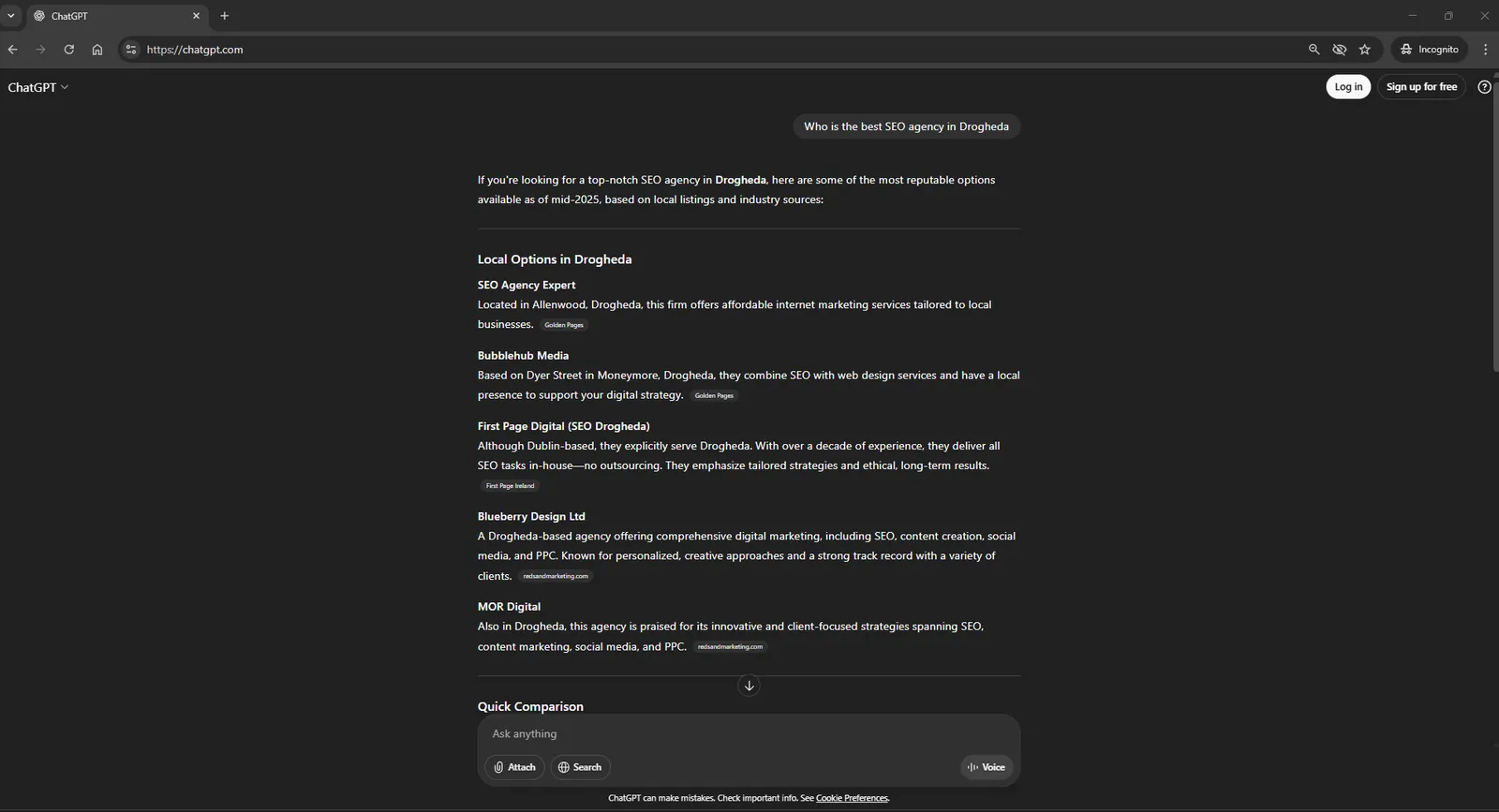
A holiday resort in France asked ChatGPT “Who’s the best SEO agency for hospitality businesses?”
ChatGPT recommended Bubblehub.
That resort is now our client. They had strong Google rankings but weren’t appearing in AI responses. Their competitors were getting recommended instead.
That channel is built on the SEO foundations you already have.
Google’s AI Overviews now appear on many searches. According to Similarweb, AI platforms generated over 1.13 billion referrals in June 2025, up 357% year-over-year.
Think about how you search now. Sometimes you Google. Sometimes you ask ChatGPT. Your customers are doing both.

ChatGPT now sells ads too, shown below its answers. Paying for one puts you beside the answer, not in it. Our guide to ChatGPT ads explains the difference.
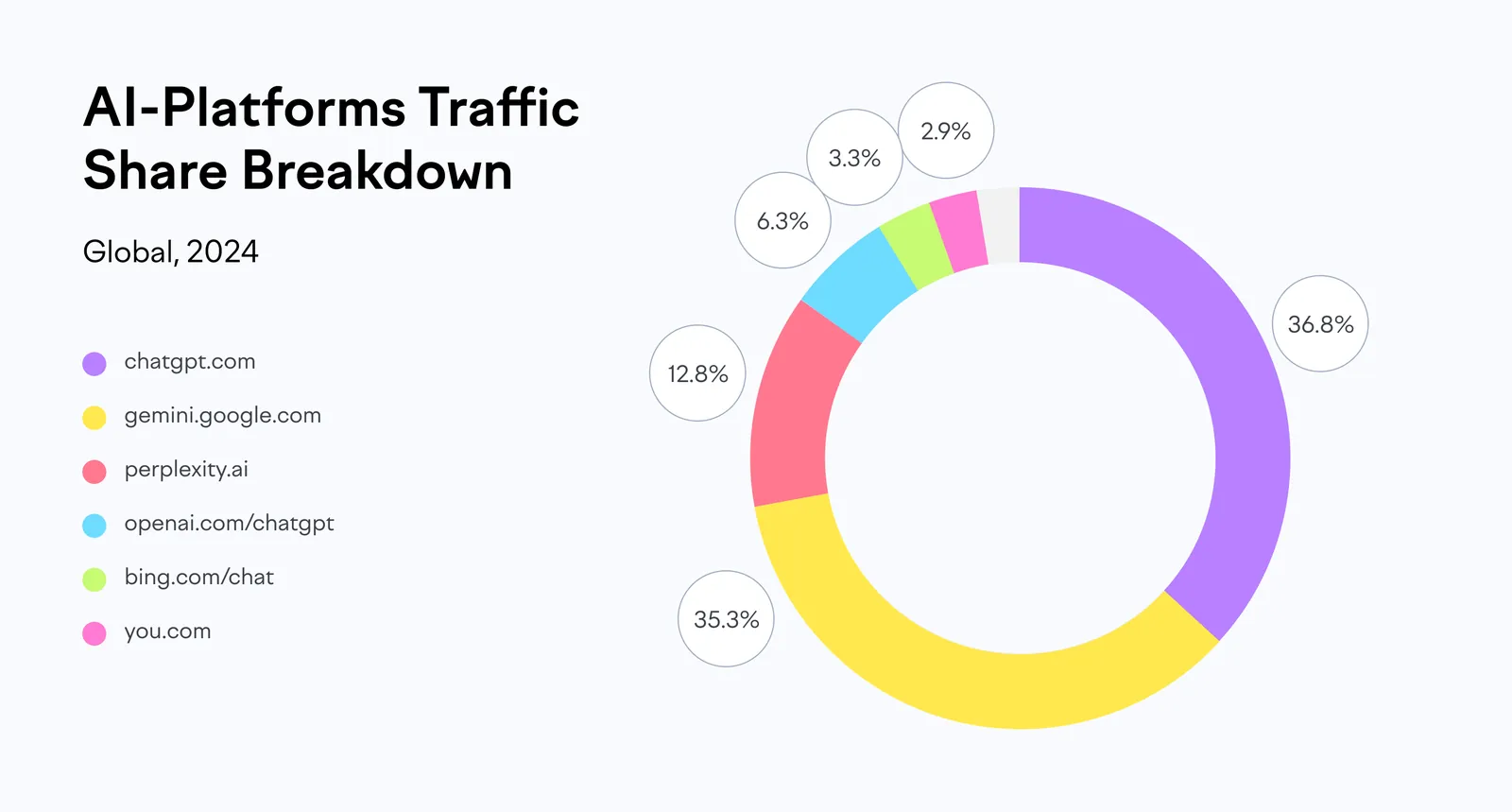
Why AI traffic is worth a closer look
A retailer in Dublin started appearing in ChatGPT recommendations. Their AI traffic is only 3% of total visits. But it generates 31% of their revenue.
What is generative engine optimisation, and how does it build on SEO?
GEO is SEO’s natural evolution.
GEO stands for “generative engine optimisation” which means the process of optimising your website’s content to boost its visibility in AI answer tools such as ChatGPT, Perplexity, Gemini, Copilot and Google AI Overviews.
Traditional SEO gets you found on Google. GEO helps you also get recommended by AI. You need both.
Here’s how they work together:
- SEO provides the foundation: Technical optimisation, quality content, authority
- GEO adds the layer: Structured answers, brand mentions, conversational optimisation
Strong SEO foundations come first, and then the content is adapted for the way AI reads it.
Why your SEO work is more valuable than ever
The SEO you already do carries over to AI.
Your technical SEO, content quality, and domain authority give AI tools more to work with.
A page that answers well in an AI tool usually has:
- Clear, direct answers to questions
- Comprehensive topic coverage
- Strong brand signals across the web
- Conversational content patterns
Your SEO spend is not obsolete. It is what the AI work is built on.
Brand mentions matter too
Many Irish businesses overlook this one. A mention of your business on another site helps people recognise you, even without a link.
Backlinks still matter.
Media mentions in trusted publications, first-party research and expert quotes are what get other sites writing about you, so those are worth earning, not buying.
How the Bubblehub GEO framework enhances your SEO for AI
Five changes to the SEO you already have can put you in front of these systems.
1. Answer questions first, support with SEO content
Your SEO content is great for rankings. Now make it AI-friendly too.
AI tools tend to pull clear answers to specific questions. Put a summary box at the top of the page that answers the main question in 50 to 70 words.
Keep your comprehensive SEO content. Just add direct answers upfront.
For example, start with: “Choose accounting software that handles your VAT returns. Here is what to check before you pay for it.”
Then use your existing SEO content to explain why.
2. Build on your content authority
Your SEO content already has authority. Now structure it for AI.
Take your existing service pages and blog posts. Add:
- Comparison tables
- Step-by-step guides
- FAQ sections
- Pros and cons lists
3. Expand your keyword strategy
Don’t replace your keywords. Expand them.
Your current keywords like “coffee maker” still matter for Google. Now also target “What coffee maker should I buy for my small office in Dublin under €300?”
Keep your core SEO keywords. Add conversational variations. That can help you rank on Google and appear in AI responses.
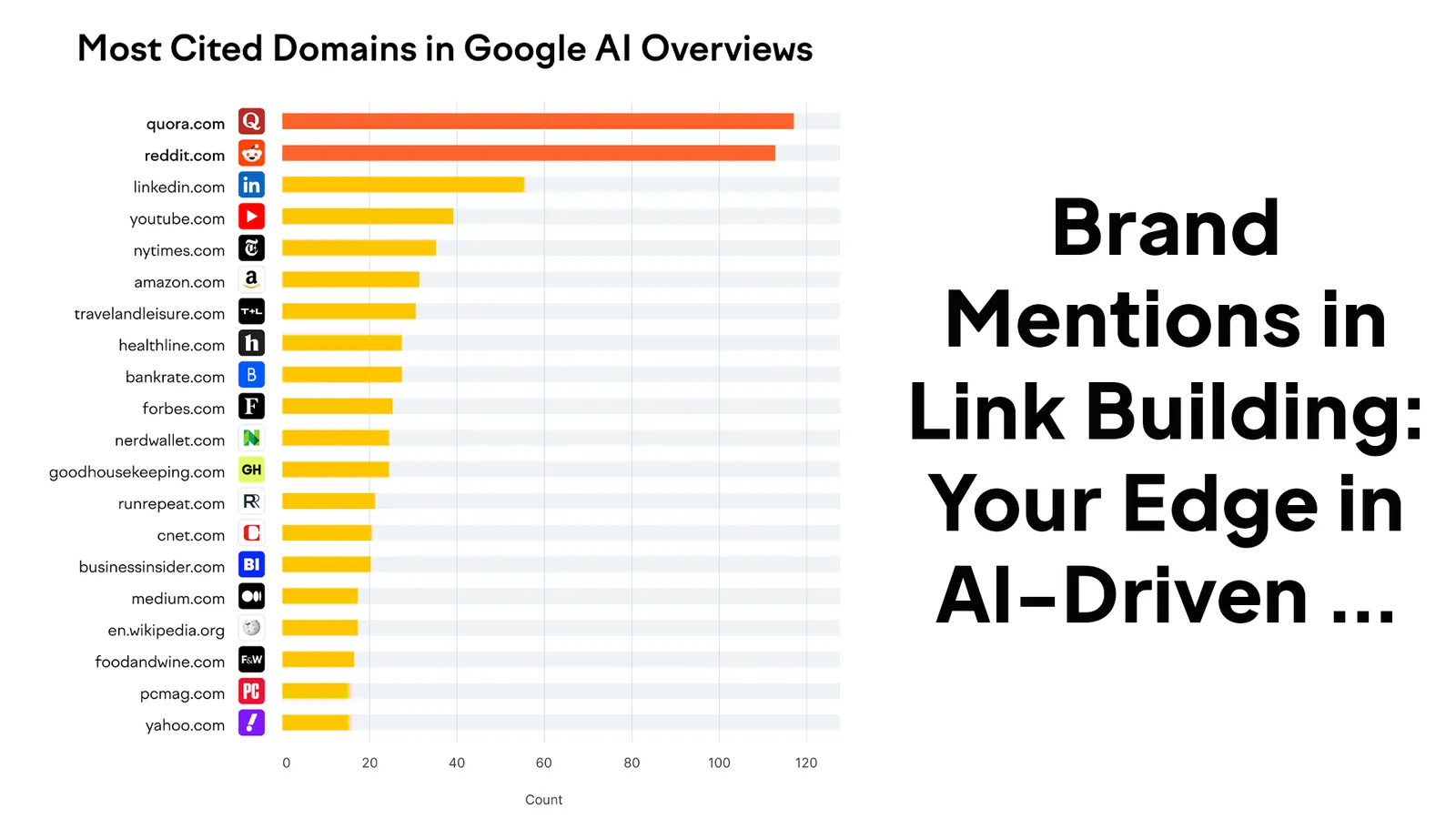
4. Combine link building with brand building
Links still matter. But now you need brand mentions too.
Your link building + brand mention strategy:
- Continue building quality backlinks, which still drive rankings
- Add PR and media mentions, which is what AI picks up
- Contribute to Reddit and industry forums
- Create research that gets cited
- Partner with complementary businesses
Both strategies reinforce each other. Strong SEO helps you get media coverage. Media coverage strengthens your SEO.
5. Enhance your technical SEO for AI
Your technical SEO is the foundation. Now optimise it for AI crawlers too.
Check these for AI crawlers:
- Fast page speeds (same as Google)
- Mobile optimisation (same as Google)
- Clear site structure (same as Google)
- Structured FAQ sections
- A clear content hierarchy
You’re not starting over. You’re building on what works.
The Irish advantage you’re not using
Irish businesses already have the thing that works here, local SEO that carries straight over to AI.
Your Google Business Profile helps with AI too. Your local citations build brand signals. Your Irish-focused content adds local relevance.
Enhance your local SEO with:
- More specific local content
- Irish regulatory information
- Euro pricing clearly marked
- Local case studies and testimonials
- Partnerships with other Irish businesses
Your competition is already moving
Nobody sensible is abandoning SEO. They are adding to it.
Three months ago, only 5% of our clients asked about AI optimisation.
Today? It’s 45%.
Gartner predicted in 2024 that traditional search engine volume would drop 25% by 2026, because of AI chatbots and other virtual agents. You need both.
How SEO and GEO work together
SEO is not dead.
Strong SEO fundamentals help you appear in AI results.
Useful additions:
- Conversational content
- Direct answers
- Brand mentions
GEO is an addition to SEO, not a replacement for it.
The metrics that matter now
Keep tracking your SEO metrics. Add these AI-specific ones:
Traditional SEO metrics, which still matter:
- Organic rankings
- Organic traffic
- Domain authority
- Backlink profile
New GEO metrics to add:
- AI overview appearances
- Brand mentions in AI responses
- AI referral traffic
- AI referral conversion rates
- Revenue from AI sources
Tools like SEMrush now track both. Monitor your traditional SEO performance while building AI visibility.

What happens if you don’t evolve?
Businesses that ignore GEO may not disappear overnight. They may simply be absent from the answers their customers are reading.
A Pew Research Centre study of US searches in 2025 found that people clicked fewer results when an AI summary appeared.
Your competitors who optimise for both traditional and AI search can:
- Maintain their Google rankings
- Capture AI traffic as well
- Build stronger brand authority
A holiday resort in France we work with kept its Google rankings and started appearing in AI answers once this work was done.
Your next step is simple
You have two choices.
Option one: stick with traditional SEO only. It still works, and you may be absent from the AI answers.
Option two: add GEO to the SEO you already have, and aim to show up in both.
At Bubblehub, we’ve guided Irish businesses through every search evolution for over a decade. From mobile-first to voice search to local SEO.
This is the next evolution. And it builds on everything you’ve already done.
Contact us for an SEO + GEO consultation, and we will tell you where you stand. No obligation.